The Technical Advantages of Basalt in Modern High-Rise Construction
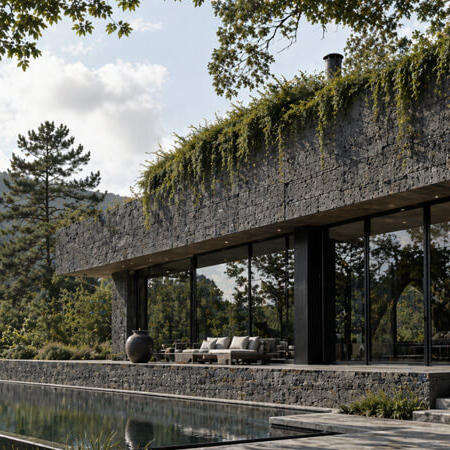
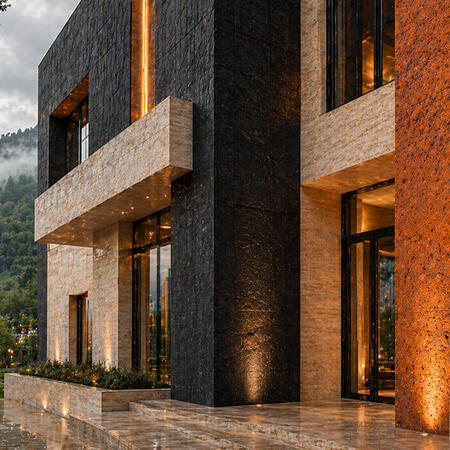
In contrast to synthetic facades or glass-heavy envelopes, Armenian volcanic stone—specifically Tuff—possesses a unique cellular structure that functions as a natural thermal barrier.
Natural Thermal Regulation and Energy Efficiency
In contrast to synthetic facades or glass-heavy envelopes, Armenian volcanic stone—specifically Tuff—possesses a unique cellular structure that functions as a natural thermal barrier. This breathable quality enables modern structures to maintain stable internal temperatures throughout the seasons, significantly reducing the energy consumption required for mechanical heating and cooling. Harnessing the natural thermal inertia of Tuff and Basalt creates a self-regulating building skin that meets the most rigorous environmental criteria while lowering the net carbon output of the entire development.
Unrivaled Longevity and Low-Impact Maintenance
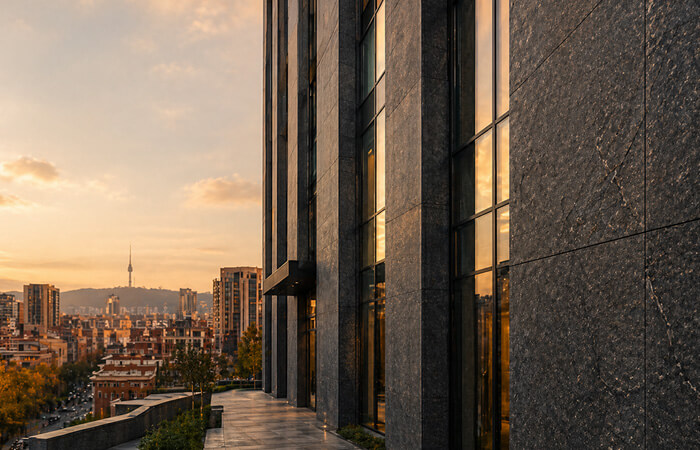
The most sustainable building material is the one that never needs to be replaced. Volcanic stone is forged in extreme heat and pressure, resulting in a material with exceptional compressive strength and natural resistance to UV radiation, moisture, and chemical erosion. While manufactured cladding often degrades or requires intensive chemical cleaning over time, our stones age gracefully, gaining a dignified patina without losing their structural integrity. This "zero-maintenance" profile eliminates the need for repeated resource consumption, making it the most ecologically responsible choice for generational landmarks.
Low-Carbon Extraction and Circular Resource Management
Sustainability begins with the efficiency of resource extraction. Direct-source extraction minimizes the environmental disruption often found in complex, multi-stage manufacturing chains. This efficient movement of raw volcanic material to the final site supports a lower-impact building process and ensures a highly transparent lifecycle for every stone element. This efficient journey from the earth to the project site ensures that the material maintains its ecological integrity throughout the construction process. Natural stone extraction requires significantly less energy and produces fewer greenhouse gases than the high-heat manufacturing processes used for ceramics, glass, or composite panels. Furthermore, stone is a fully circular material.